What I Actually Do With Technology I Don't Understand Yet
I joined Subterranean's robotics team knowing nothing about drones. Here's how getting fluent in the tech changed what we built and how we sold it.
I joined Subterranean's robotics team knowing nothing about drones. Here's how getting fluent in the tech changed what we built and how we sold it.
If your product roadmap keeps bending to the loudest customer, here's how I tested whether that problem was real, then validated a fix against real data.
How I built the structure Subterranean needed to take a proven product and scale it beyond their first customer.
Why thinking long term about adoption, risk, and ecosystem growth often creates faster traction in the short term.
How structured product thinking turned scattered progress into a clear narrative ready for grants and early investor conversations.
How to change how engineering thinks about what it is building.
How to make assumptions explicit and shared so that validation, market exploration, and strategy are easier.
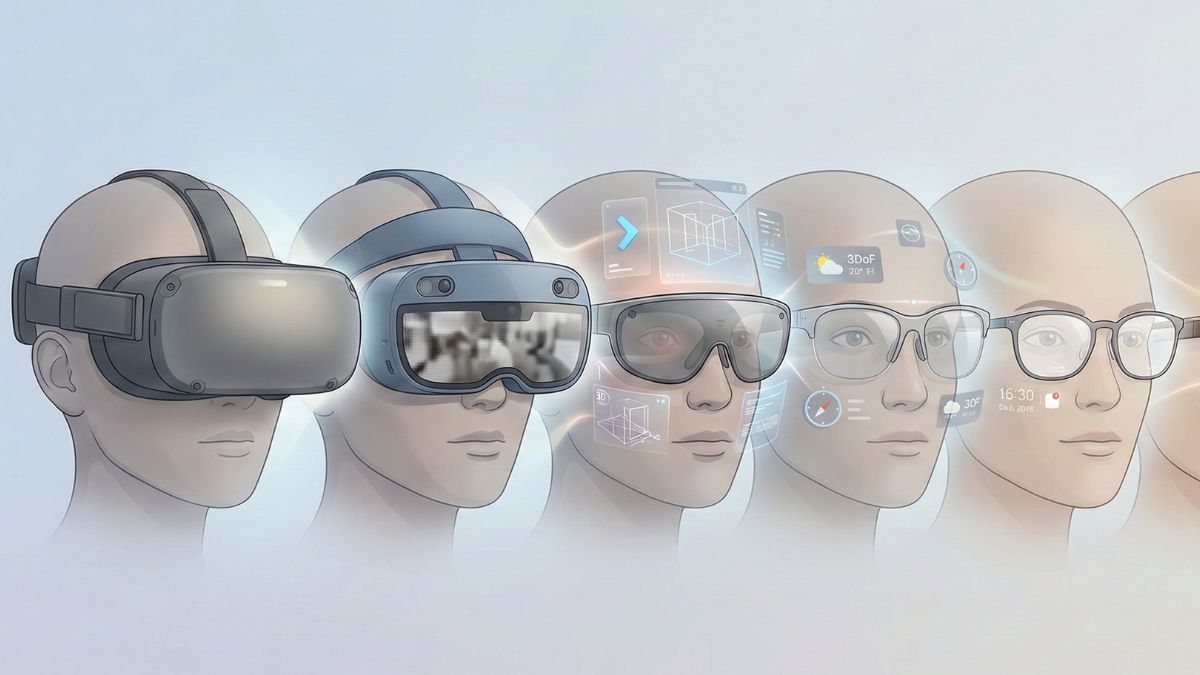
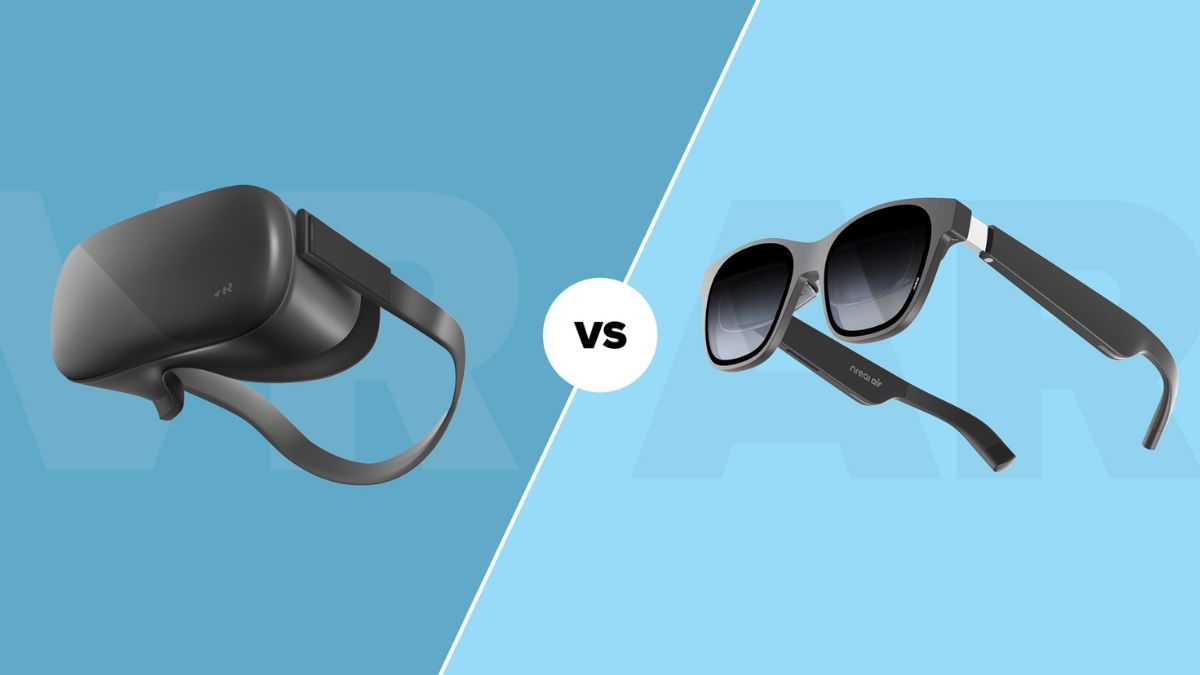
Why, where, and how glasses and headsets are converging, and what it means for mainstream adoption and the component ecosystem.
How a simple idea to build an AI agent with no code became a twenty-plus node agent and my crash course in LLMs, debugging, and token economics.
Computing is stepping out from the screen and into the world around us. The challenge ahead is to help humans and computers evolve together so that the future feels natural, usable, and human.
Reading tech evolution is critical. This tech maturity framework for market shifts helps investors anticipate readiness before the market moves.
Whether you start with a story or build the product first, what matters is how you turn one into the other.
Gathering customer and market insights is easy; turning those insights into confident decisions that drives growth is the real challenge.
Align your team and simplify product prioritisation with an inclusive framework that removes politics from decision-making.
A structured, one-hour method for leadership decisions that are fast, fair, and transparent.
Europe’s XR scene is full of creative projects, but sustainable growth depends on adopting a true product mindset that connects users, developers, and buyers.
To stay guided by customer value when priorities compete, startups need structured product leadership to keep growth focused and scalable.
A case study outlining five lessons on how startups can bridge from technical excellence to market adoption.
Use product storytelling to turn a nice-to-have into something people cannot live without.
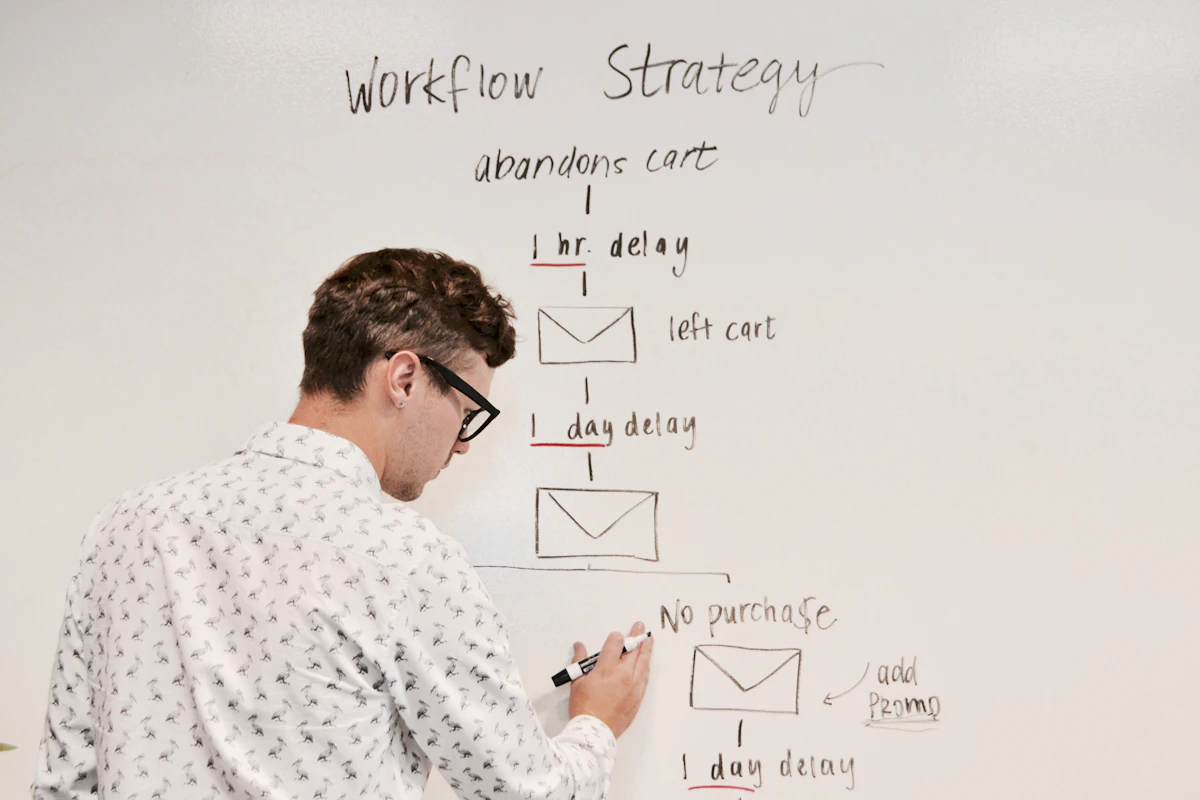
Why chasing shiny features wastes precious runway, and how to anchor experiments in user value.
Why strong signals and solid tech still stall and how to align audience, decisions, and delivery.
The scalable patterns that startups in emerging technology can use to turn custom delivery into product-led growth.
Why true immersion in XR interaction comes from blending natural gestures with tactile precision.
The lesson for startups is simple, the fastest path to a scalable product often starts inside your delivery team.
Delivering one-off solutions makes it hard to scale. Here’s how to build repeatable, scalable products that drive real growth.
How adopting a product strategy built around your audiences can help XR companies attract users, developers, and buyers.
As extended reality evolves into spatial computing, it’s increasingly clear that the names we give the technology are irrelevant. What matters is the experience.
While the XR industry has faced its share of challenges since COVID, the convergence of AI, wearable technology, and healthy competition suggests its best years are still to come.
The Future of Software Development Is Human, Even with AI and No Code Tools.
As AI moves beyond language to understand the real world, can blockchain help protect our privacy?
As of 2024, despite constant innovation, XR has struggled to find product-market fit or mainstream appeal. Here’s why progress still feels stalled, and what it can learn from AI’s success.
The challenge with immersive content is to balance accessibility, repeatability, and scalability while continuing to push the boundaries.
Ambitious teams chasing too many ideas often lose sight of what really drives traction and growth.
Practical principles for teams who want to move faster, stay focused, and build products users genuinely need.
How to keep your product visible, credible, and valuable as the market shifts.
How classic sayings still guide modern teams.
A practical guide for founders, startup teams, and product leaders who discovered the problem but want to get the right thing into users’ hands faster.
How naming consistency and experience-first descriptions could restore investor and user confidence.
Why flexible hand tracking tools are the key to building intuitive, human-feeling experiences in Unity.
Learn how to make VR experiences intuitive, immersive, and human by designing for natural movement instead of menus and buttons.
The next wave of AR will be shaped by the people who create, not just those who code.
How mobile AR helps companies bridge physical materials to digital experiences that move customers closer to purchase.
A practical guide to moving AR from a curiosity into a product that delivers measurable return for real users.
No posts in this category yet.